Water is the lifeblood of farming, and in the sun-baked fields of southern Punjab, pulling that water from the ground has always been an expensive struggle. For generations, farmers have relied on diesel engines to run their tube wells, feeding them fuel that grows costlier every season. When the diesel price jumps, so does the cost of every crop, and thin margins grow thinner still.
A different approach is spreading across the agricultural belt around Multan and beyond. Instead of burning imported fuel to lift water, growers are letting the intense regional sunshine do the work. Solar-powered irrigation is turning one of farming’s heaviest recurring costs into something closer to free, and the ripple effects are reshaping rural livelihoods. This article explores how it works and why it matters.
The Diesel Trap That Held Farmers Back
A diesel-driven tube well is a punishing thing to depend on. The engine drinks fuel whenever the crops need water, which in a hot summer means almost constantly. Beyond the fuel itself, there is the wear on parts, the cost of maintenance, the noise, and the fumes that hang over the field. Worst of all, the price of diesel is beyond any farmer’s control, set by markets and policies far removed from the furrows of Punjab.
This unpredictability makes planning nearly impossible. A grower cannot budget confidently for a season when the single largest running cost might swing wildly between planting and harvest. Many farmers have watched a promising year evaporate simply because the fuel bill climbed higher than the crop could repay. It is a trap that has kept countless families running just to stay in place.
How Solar Irrigation Changes the Equation
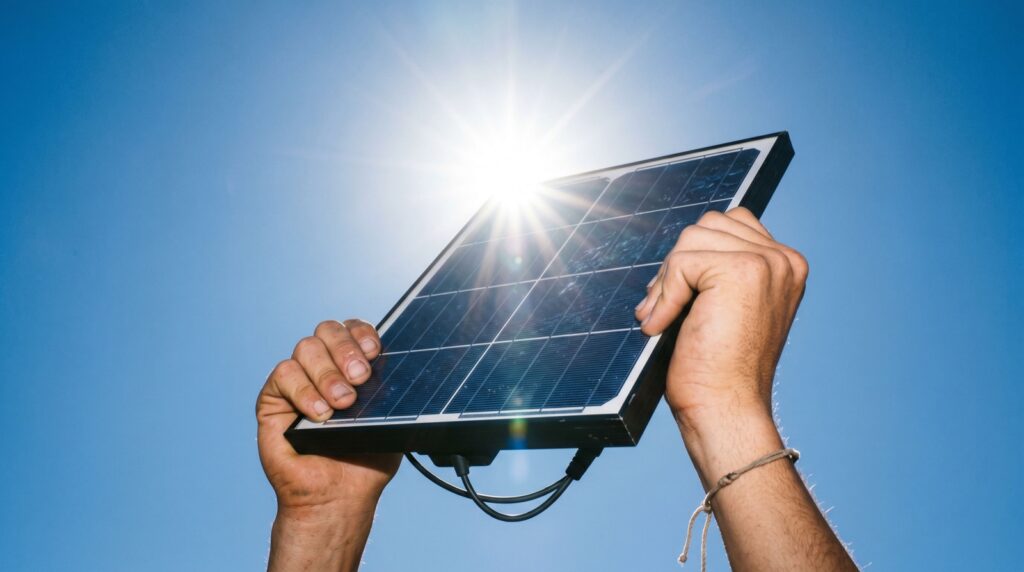
Replacing the diesel engine with a solar array flips the entire cost structure of running a tube well. Once the panels are installed, the sun provides the energy at no ongoing charge. The pump draws its power directly from the array during daylight, which happily coincides with the hours crops most need watering.
The transformation is dramatic. A recurring, uncontrollable expense becomes a fixed, one-time investment that pays itself back and then keeps delivering for years. Farmers who install a properly engineered solar company in Multan irrigation setup often report that the money once spent on diesel now stays in their pocket, freeing cash for seed, fertiliser, or simply a little breathing room.
Matching the System to the Land
Not every field is the same, and a solar irrigation system has to be designed around the specific demands of the farm it serves. The depth of the water table, the volume the crops require, the size of the holding, and the type of pump all shape the final design. Get these calculations wrong and the pump either strains or sits idle.
A careful assessment begins underground, with the depth from which water must be lifted, and works upward through the daily volume needed at peak season. From there the panel array and pump controller are sized to deliver reliable flow even on the hazier days. This engineering discipline is what separates a system that quietly works for a decade from one that disappoints within a season.
Beyond Irrigation: Powering the Whole Farm
Once a farm has embraced solar for its tube well, the logic naturally extends to the rest of the operation. The same clean energy can run lighting for the homestead, power cold storage that reduces spoilage, and charge the tools and devices that modern farming increasingly depends on. A farm that was once entirely at the mercy of fuel deliveries becomes a largely self-powered enterprise.
Cold storage in particular can be a game changer. Being able to hold produce for even a few extra days lets a grower wait out a glutted market and sell when prices recover. Powered by the same sun that irrigates the fields, this capability adds a second layer of value to an investment that already justified itself through fuel savings alone.
Reliability When the Crop Cannot Wait
Timing is everything in agriculture. A crop that misses a critical watering during a heatwave can be damaged beyond recovery, and no amount of attention afterward will bring it back. A diesel pump that refuses to start on the hottest morning of the year, or an engine sidelined because the fuel delivery was late, can quietly ruin a season’s work in a matter of days.
Solar pumping removes many of these failure points. There is no engine to seize, no fuel to run out, and no delivery truck to wait for. On the very days when the crop is most desperate for water, the sun is at its strongest and the pump is at its most productive. That natural alignment between peak sunshine and peak demand gives growers a reliability that a fuel-dependent system could never guarantee, and peace of mind is worth a great deal when a family’s income rides on the harvest.
Choosing People Who Do the Job Right
Agricultural installations face harsh conditions: dust, heat, vibration, and long daily run times. Cutting corners on components or design shows up quickly in the field, often at the worst possible moment during peak irrigation. This is why the choice of installer carries as much weight as the choice of equipment itself.
Farmers evaluating their options should look for the same qualities they would demand from any quality service providers they hire for important work: proven experience, honest assessments, durable materials, and support that lasts. A crew that understands agricultural realities will build a system that survives the punishment of a working farm rather than one designed for a gentle rooftop.
Key Takeaways
- Diesel-powered tube wells burden farmers with a large, unpredictable running cost.
- Solar irrigation converts that recurring expense into a one-time investment that pays for itself.
- Pump power peaks during daylight, exactly when crops need the most water.
- Proper design accounts for water depth, crop demand, and farm size.
- The same solar setup can power cold storage, lighting, and other farm needs.
- Choosing an experienced installer is essential for equipment that survives farm conditions.
A More Secure Season Ahead
For the farmers of southern Punjab, solar irrigation is more than a clever piece of technology. It is a route to genuine financial stability in a profession defined by uncertainty. When the cost of lifting water no longer rises and falls with global fuel prices, a grower can finally plan a season with confidence rather than crossed fingers.
The savings are real, the technology is proven, and the expertise to install it well is within reach. Working with the Best solar company in pakistan you can find turns a bright regional climate from a source of relentless heat into a source of dependable, cost-free power. For farming families weary of feeding a diesel engine, that shift cannot come soon enough.