Ambient and Dry Storage in Jeddah: A 2026 Guide for Growing Businesses
Choosing the right warehouse can make or break a supply chain. For companies shipping through the Red Sea gateway, reliable ambient storage in Jeddah is no longer a nice-to-have; it is a core part of staying competitive. As Saudi Arabia pushes forward with Vision 2030 logistics targets, demand for well-managed warehouse space across the Kingdom keeps climbing. This guide explains what ambient and dry storage really mean, how to evaluate a provider in 2026, and how to control costs without cutting corners.
Jeddah sits at the heart of national trade. The city handles a large share of imports through its port, and that traffic feeds thousands of retailers, distributors, and manufacturers. If your goods do not need refrigeration but still require protection from heat, dust, and humidity, ambient warehousing is usually the smart, affordable answer.
What Is Ambient Storage in Jeddah, and Who Needs It?
Ambient storage keeps products at normal room temperature without active heating or cooling. It suits items that are stable at moderate conditions but can be damaged by extreme heat or moisture. Think packaged food, cosmetics, electronics, textiles, and general retail stock.
In a coastal city where summer temperatures often exceed 40 degrees Celsius, a well-built ambient facility still matters. Good insulation, ventilation, and shading protect stock even when no chiller is running. That is why buyers should never assume “ambient” means “any old shed.” A quality facility manages airflow, pest control, and humidity carefully.
- Packaged and canned foods with long shelf lives
- Beauty and personal-care products
- Consumer electronics and small appliances
- Apparel, footwear, and home textiles
- Stationery, packaging materials, and promotional goods
Businesses that experience seasonal spikes, such as retailers preparing for Ramadan or back-to-school periods, lean heavily on flexible ambient space. Renting scalable capacity beats owning a warehouse that sits half-empty for months.
Dry Storage in Jeddah: The Backbone of Everyday Supply Chains
While ambient storage focuses on temperature stability, dry storage emphasizes keeping goods free from moisture. The two overlap, but dry warehousing is especially important for products that clump, corrode, or spoil when exposed to humidity. Reliable Dry Storage in Jeddah gives distributors a stable base for grains, powders, paper goods, and packaged staples.
Humidity control is the quiet hero here. Coastal air carries salt and moisture, so serious operators invest in dehumidification, sealed docks, and raised pallet racking. Those details separate a facility that protects your margin from one that quietly erodes it through spoilage and returns.
How Do Ambient and Dry Storage Differ?
The line can blur, but the practical distinction is simple. Ambient storage manages temperature within a comfortable range. Dry storage manages moisture and keeps relative humidity low. Many Jeddah warehouses offer both under one roof, letting you segment stock by need rather than renting separate buildings.
| Feature | Ambient Storage | Dry Storage |
|---|---|---|
| Primary control | Temperature stability | Humidity and moisture |
| Typical goods | Packaged food, electronics, textiles | Grains, powders, paper, staples |
| Energy cost | Low to moderate | Low |
| Best for | Retail and consumer goods | Bulk and moisture-sensitive stock |
What to Look for When Choosing a Warehouse Provider
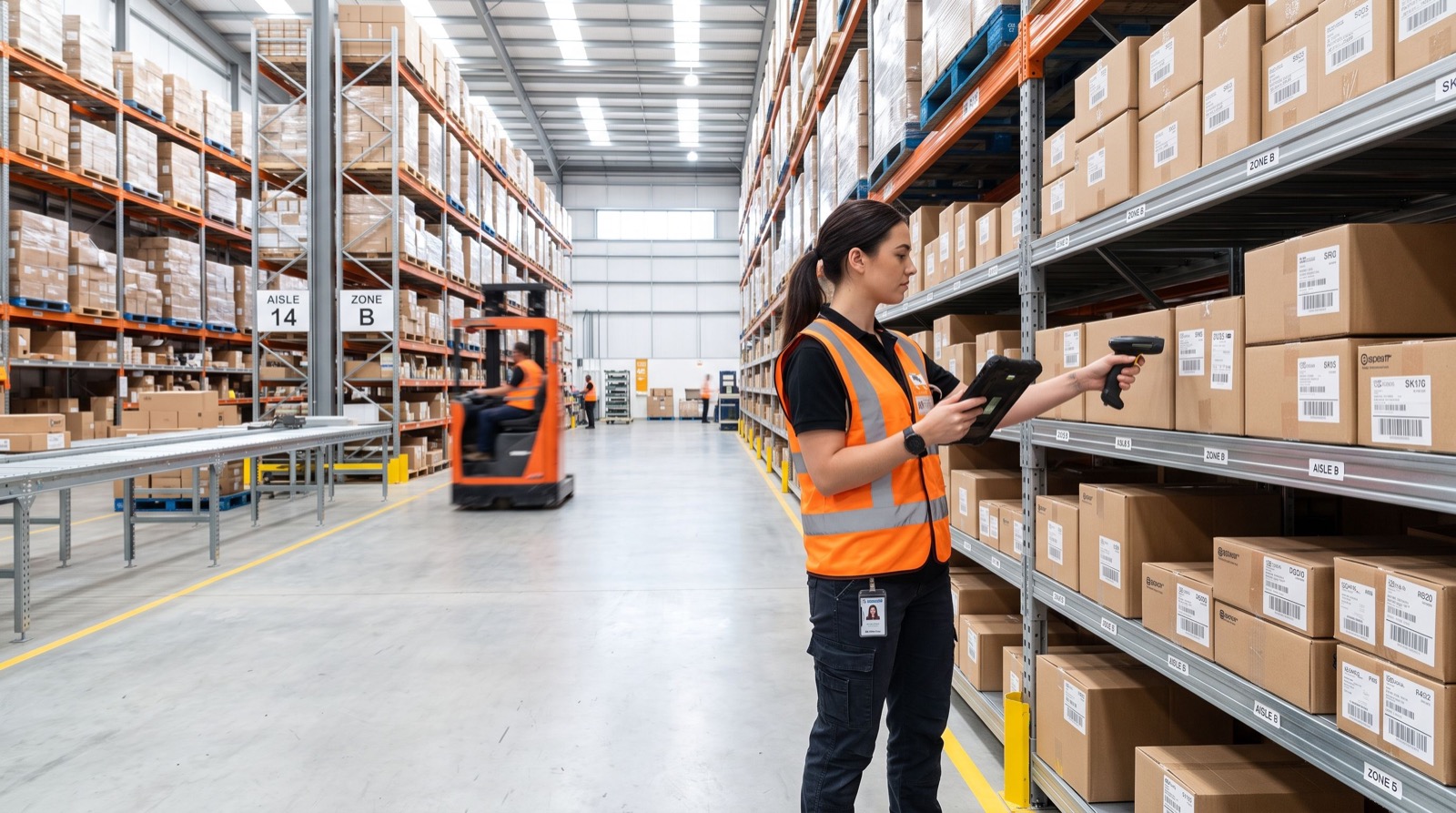
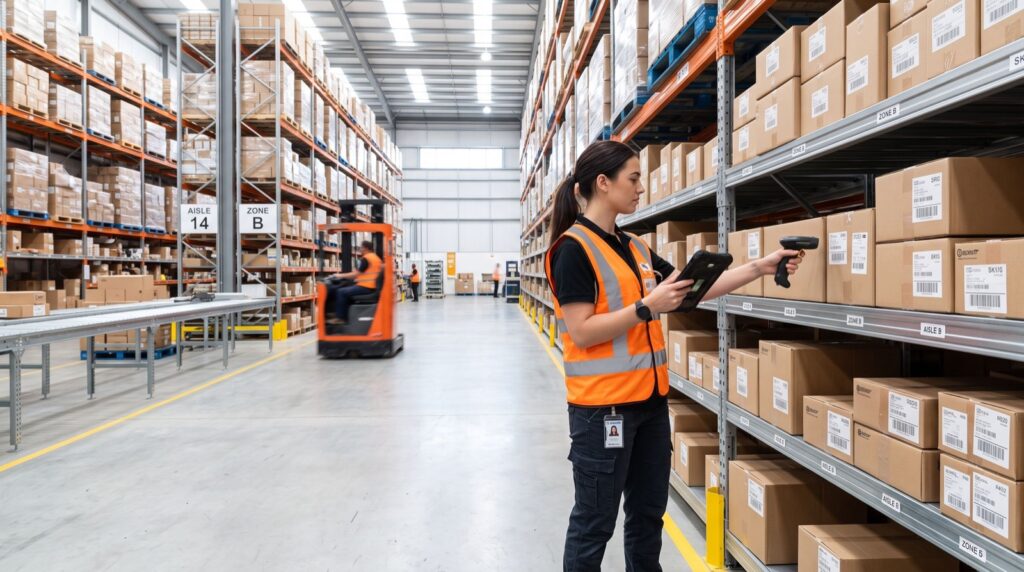
Not every facility is equal. Location near the port and ring roads shortens transit time and lowers fuel costs. Modern racking increases usable volume. Clear inventory systems reduce picking errors. When you compare options, treat these factors as a checklist rather than an afterthought.
- Location and access: proximity to the Islamic Port, main highways, and industrial districts.
- Building quality: insulation, ventilation, sealed docks, and fire safety systems.
- Technology: a warehouse management system with real-time stock visibility.
- Scalability: the ability to add or reduce space as demand shifts.
- Compliance: alignment with food-safety and municipal storage rules.
Working with quality service providers in any part of your operation pays off, and warehousing is no exception. Vet references, tour the site, and ask for their spoilage and accuracy metrics before signing.
Cost Control and Efficiency in 2026
Storage costs are rising with land values, but smart tactics keep them in check. First, match your stock profile to the right space; do not pay chilled rates for goods that only need ambient conditions. Second, improve stock turnover so pallets do not sit idle. Third, negotiate flexible contracts that flex with your seasonal peaks.
Global bodies such as the World Bank highlight logistics performance as a key driver of trade competitiveness, and warehousing efficiency sits at the center of that picture. Facilities that invest in solar power, LED lighting, and optimized routing pass savings on to tenants while shrinking their footprint.
A concrete tip: run a quarterly slow-mover audit. Flag any SKU that has not moved in 90 days, then decide whether to discount, relocate, or return it. This single habit frees prime racking, cuts holding costs, and keeps your warehouse working for you rather than against you.
The Jeddah Advantage for Regional Distribution
Jeddah is more than a port city; it is a launchpad for reaching the western region, holy cities, and beyond. A distributor based here can serve pilgrims during peak seasons, supply resorts along the coast, and feed inland retail networks. Positioning inventory in a central, well-connected facility shortens delivery windows and improves customer satisfaction.
As e-commerce grows across the Kingdom, same-day and next-day expectations are reshaping warehouse design. Facilities now blend bulk storage with fast-pick zones, so the same building supports both wholesale pallets and individual online orders. Choosing a provider that already thinks this way future-proofs your operation.
Frequently Asked Questions
Is ambient storage suitable for food products?
Yes, for shelf-stable food such as canned goods, packaged snacks, and dry staples. Products that require refrigeration or freezing need chilled or frozen space instead, but a large share of grocery inventory sits comfortably in ambient conditions.
How much does dry storage in Jeddah cost?
Pricing depends on volume, contract length, and value-added services like picking and packing. Short-term seasonal space usually carries a premium, while annual contracts unlock better rates. Always ask for an all-in quote that includes handling.
Can I combine ambient and dry storage in one contract?
Often, yes. Many modern Jeddah warehouses zone their space, letting you keep moisture-sensitive stock in a controlled area while the rest sits in general ambient racking, all under a single agreement.
How quickly can I scale up during peak seasons?
Flexible providers can add pallet positions within days when you give advance notice. Communicate your forecast early, especially before Ramadan and major retail events, so space is reserved before demand surges.
Conclusion: Build a Storage Strategy That Scales
Smart warehousing turns a cost center into a competitive edge. Whether you need dependable Ambient Storage in Jeddah for retail stock or humidity-controlled space for bulk staples, the right partner protects your goods and your margins. As 2026 unfolds and Saudi logistics keep modernizing, businesses that plan their storage carefully will move faster and waste less. Review your inventory profile, tour a few facilities, and lock in flexible capacity before your next peak season arrives.