Queue Management System in Saudi Arabia: 2026 Guide
Long waiting lines quietly cost businesses more than most managers realise. A modern queue management system in Saudi Arabia turns chaotic waiting halls into calm, measurable, and genuinely pleasant experiences for customers. This 2026 guide explains how the technology works, what it costs, and how banks, clinics, and government offices across the Kingdom are using it to cut wait times and lift satisfaction scores.
As Saudi Arabia pushes forward with service-sector modernisation, customer experience has become a competitive battleground. Smart queuing is no longer a luxury; it is the baseline expectation for any organisation that serves walk-in visitors.
What is a queue management system?
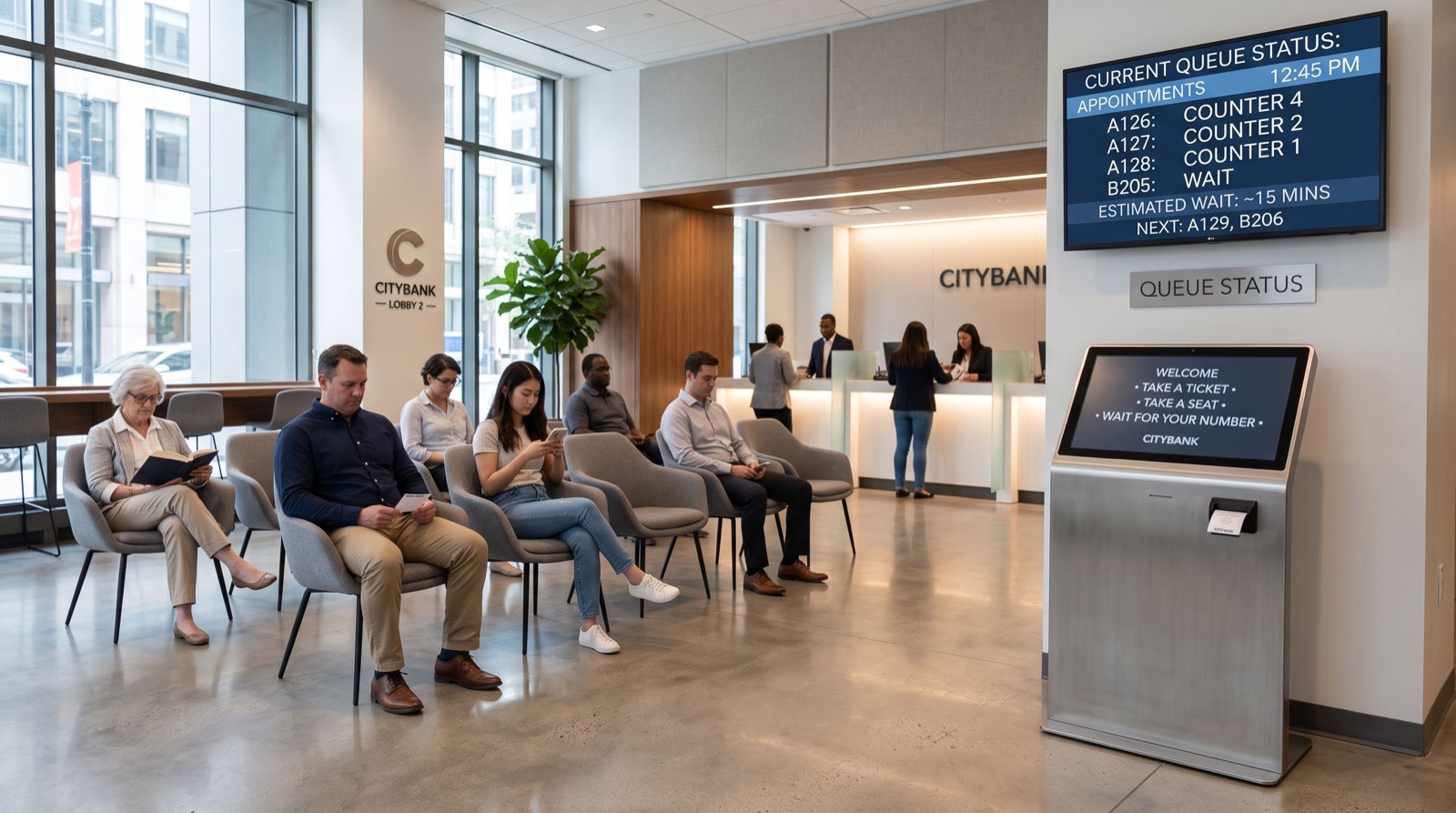
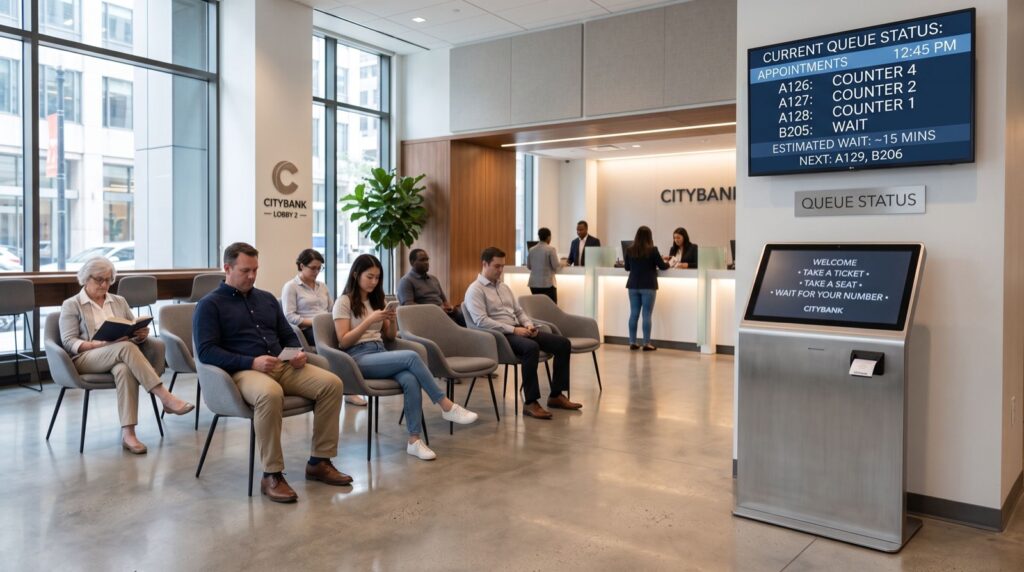
A queue management system is a mix of hardware and software that organises how people wait for service. Instead of standing in one physical line, visitors take a digital ticket, relax in a seating area, and are called forward when a counter is free.
The system tracks every ticket, measures service times, and feeds live data to managers. That means decisions about staffing, counter allocation, and peak-hour planning are driven by real numbers rather than guesswork.
- Ticket kiosk: visitors select a service and receive a numbered ticket.
- Display screens: show the current number and the counter to approach.
- Counter software: lets staff call, recall, and transfer tickets.
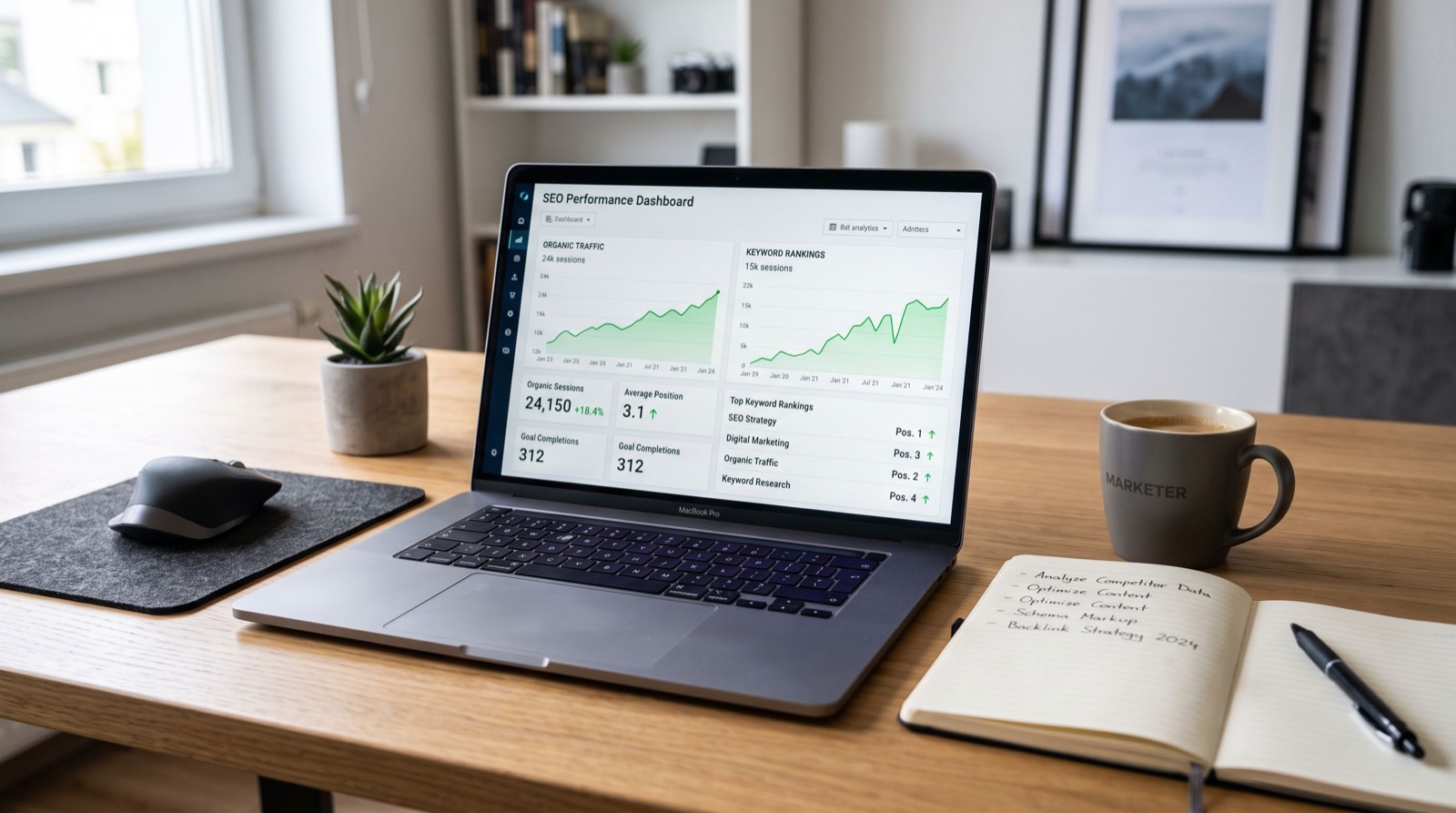
- Analytics dashboard: reports wait times, volumes, and service speed.
Why does queuing matter so much in 2026?
Saudi consumers now compare every service interaction against the slick digital experiences they get from apps and e-commerce. A disorganised waiting hall feels instantly outdated and damages trust.
Reducing perceived wait time is the real prize. Research consistently shows that an occupied, informed wait feels far shorter than an uncertain one, which is exactly what a structured queue delivers.
The Kingdom’s own reform agenda reinforces this. Under Saudi Vision 2030, improving the quality of government and private services is a stated national priority, and efficient customer flow sits right at the heart of that goal.
Where are queue systems used across the Kingdom?
Almost any venue with walk-in traffic benefits. The technology scales from a single clinic reception to a multi-branch banking network spread across Riyadh, Jeddah, and Dammam.
Which sectors see the biggest gains?
Banks use queuing to separate quick cash transactions from longer advisory meetings. Hospitals route patients to the correct department, while telecom stores and government service centres manage heavy footfall during peak hours. Each sector tunes the same core platform to its own workflow.
How much does a queue management system cost?
Pricing depends on the number of counters, the hardware chosen, and whether you want cloud analytics or an on-premise setup. The table below gives realistic 2026 ranges to help you budget before you request a formal quote.
| Setup size | Counters | Typical fit | Indicative price (SAR) |
|---|---|---|---|
| Starter | 1 – 2 | Clinic, small branch | 8,000 – 15,000 |
| Standard | 3 – 6 | Bank branch, telecom store | 15,000 – 35,000 |
| Enterprise | 7 – 15 | Hospital, large office | 35,000 – 90,000 |
| Multi-site | 15+ | Branch network | Custom quote |
Always confirm what the price includes. Installation, staff training, and a support contract matter just as much as the upfront hardware cost, so compare quotes on a like-for-like basis.
Features worth paying for
Not every feature suits every business, but a handful deliver outsized value and should be on your checklist when you evaluate vendors.
- Appointment booking: let customers reserve a slot online and skip most of the wait.
- SMS alerts: notify visitors when their turn approaches so they can step outside.
- Arabic and English display: essential for a bilingual customer base.
- Live dashboards: give supervisors instant visibility of bottlenecks.
- Feedback capture: collect a quick rating the moment service ends.
Pairing queuing with wider automation
Queue management rarely stands alone. Forward-looking Saudi businesses connect it with attendance, access control, and identity hardware to build one coherent service environment.
Biometric devices are a common companion because they verify staff and, in some settings, customers quickly. If you are also equipping offices in the region, comparing Finger scanner devices prices in pakistan helps you benchmark hardware costs before you commit to a regional rollout.
When you plan an upgrade on this scale, working with dependable specialists keeps the integration tidy, so your queuing, identity, and reporting tools all speak the same language from day one.
Measuring success after go-live
The point of the investment is measurable improvement, so agree on your key metrics before installation. Average wait time, service time per counter, and abandonment rate are the three numbers most teams track first.
Review the analytics weekly for the first month. Patterns such as a mid-morning rush or a slow Thursday afternoon let you reschedule staff, open extra counters at the right moments, and keep customers moving even on your busiest days.
Choosing a trusted queue management system in saudi arabia provider also means ongoing support, firmware updates, and the confidence that your platform keeps pace as your branch network grows.
Common mistakes to avoid
Even a capable platform can underperform if it is rolled out carelessly. A few avoidable mistakes trip up many first-time buyers across the Kingdom.
- Buying on price alone: the cheapest kiosk often lacks the analytics that justify the investment.
- Ignoring staff training: counter staff who fumble the software create delays the system was meant to remove.
- Skipping the pilot: running one branch first reveals workflow quirks before a costly network-wide rollout.
- Forgetting the signage: customers need clear, bilingual instructions or they bypass the ticket kiosk entirely.
Treat the launch as a change-management project, not just a hardware purchase. A short internal brief, a visible champion on each shift, and a feedback loop in the first fortnight make adoption smooth and keep the data trustworthy from the start.
Frequently Asked Questions
How long does installation take?
A single-branch setup is usually live within one to three days, including hardware mounting, software configuration, and basic staff training. Multi-site rollouts are phased branch by branch to avoid disruption.
Can a queue system work without the internet?
Yes. On-premise systems run on a local network, while cloud versions add remote dashboards. Many vendors offer a hybrid that keeps queuing live locally even if the internet connection drops.
Does it support Arabic language displays?
Reputable systems sold in the Kingdom are fully bilingual, showing tickets, screens, and announcements in both Arabic and English so every visitor is served clearly.
Is a queue system suitable for a small clinic?
Absolutely. Starter packages with one or two counters are designed for clinics and small branches, giving them the same professional experience as larger organisations at a much lower cost.
Final thoughts
A well-chosen queue management system in Saudi Arabia transforms waiting from a frustration into a smooth, measurable, and even reassuring part of the customer journey. By mapping your busiest hours, picking the features that matter, and integrating queuing with your wider service technology, you create a branch experience that feels modern and respects your customers’ time. Plan carefully, measure relentlessly, and your 2026 upgrade will pay for itself in loyalty and efficiency.